Digital Preservation Project

Dream
beneath the
desert sky.

Mojave Desert, CA
01 A History

A 20-minute photo session that changed everything.

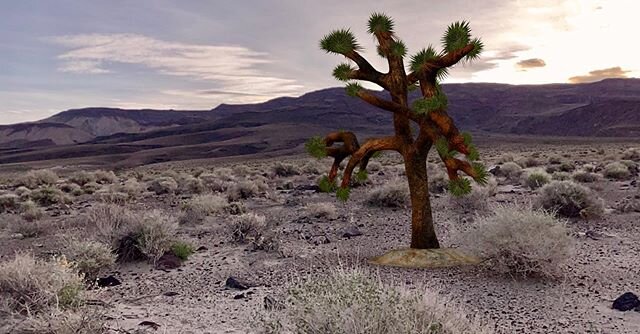
In December of 1986, Dutch photographer Anton Corbijn set out with the members of U2 on a several-day journey across the desert landscape to shoot the artwork for their upcoming untitled album. On the evening after the first day's shooting, Corbijn told the band about Joshua trees — hardy and twisted plants in the deserts of the American Southwest — and suggested their inclusion in the album's artwork.

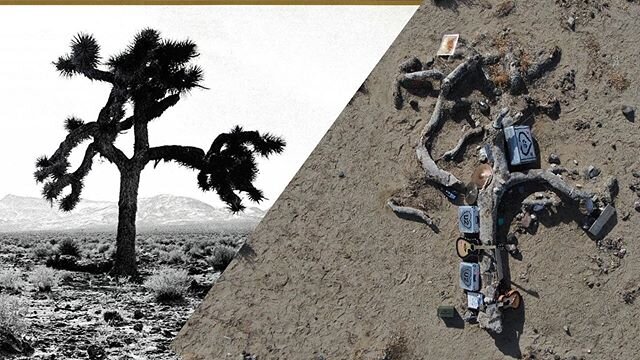
The following day, Bono declared that the album should be titled The Joshua Tree. While driving on Route 190 near Darwin, California, they spotted a lone-standing tree in the desert. They stopped the bus and photographed with the lone plant for about 20 minutes — something the Edge called "fairly spontaneous."

That spontaneous session forever tied the Yucca brevifolia with the band. The Joshua Tree became one of the world's best-selling albums and is frequently listed amongst the greatest of all time. In 2014, it was selected for preservation in the US National Recording Registry, deemed "culturally, historically, or aesthetically significant" by the Library of Congress.

The Mission

01

Preserve

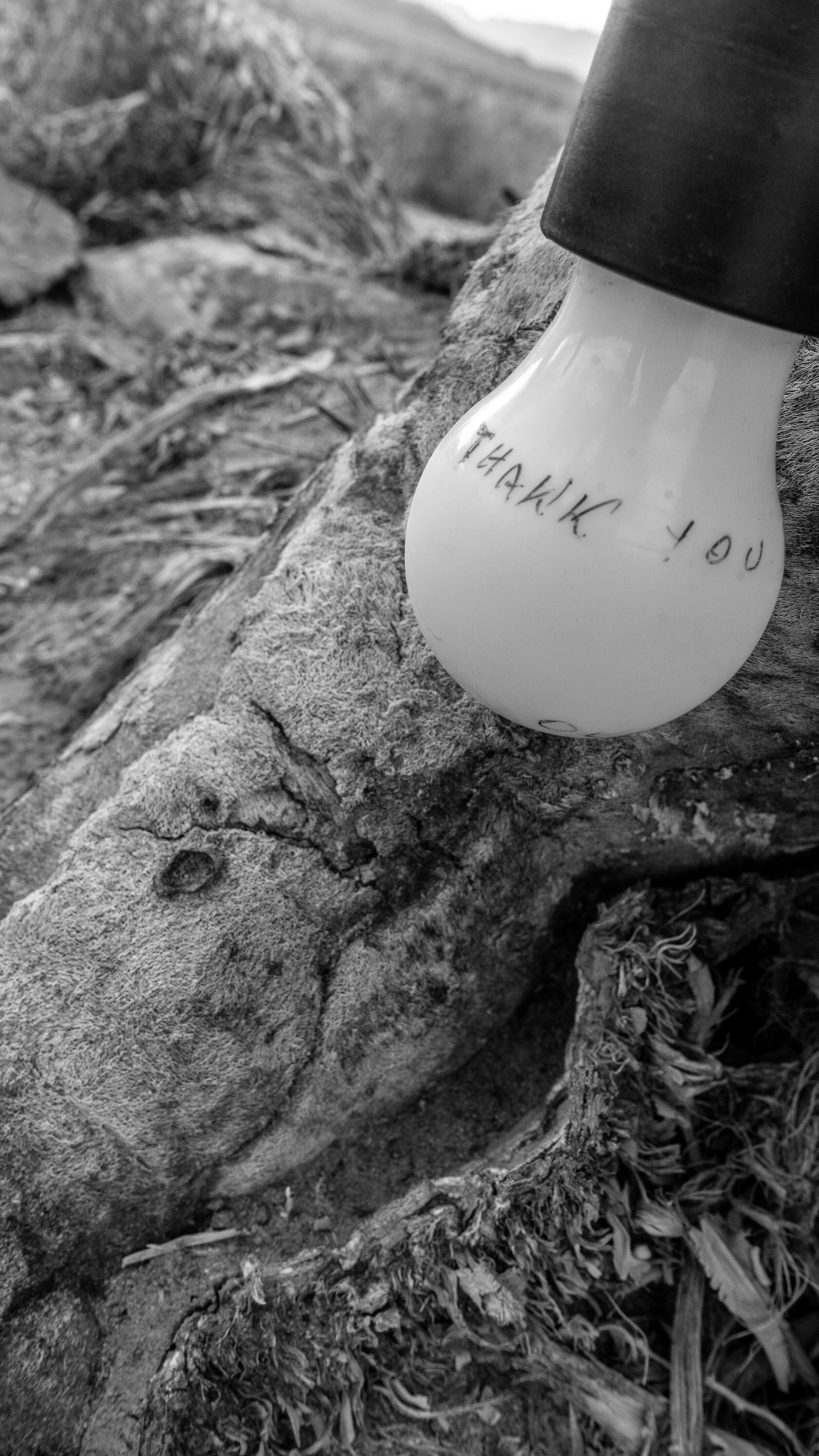
Using photogrammetry and four successive 3D scans, we are building a permanent digital archive of the tree — every scar, every tribute, every inch — before it disappears entirely from the desert floor.

02

Access

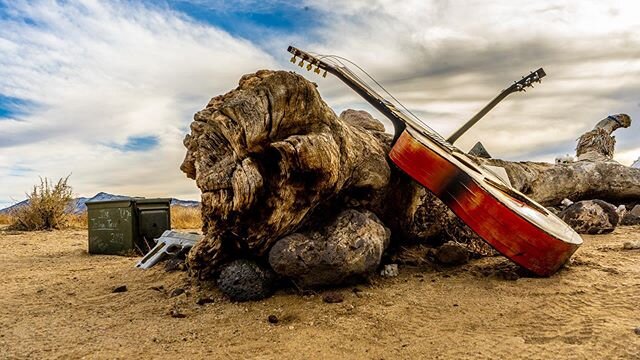
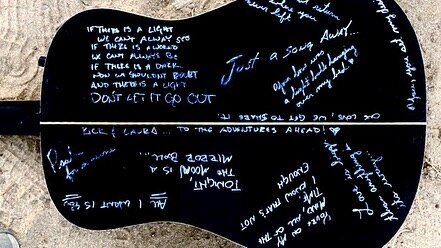
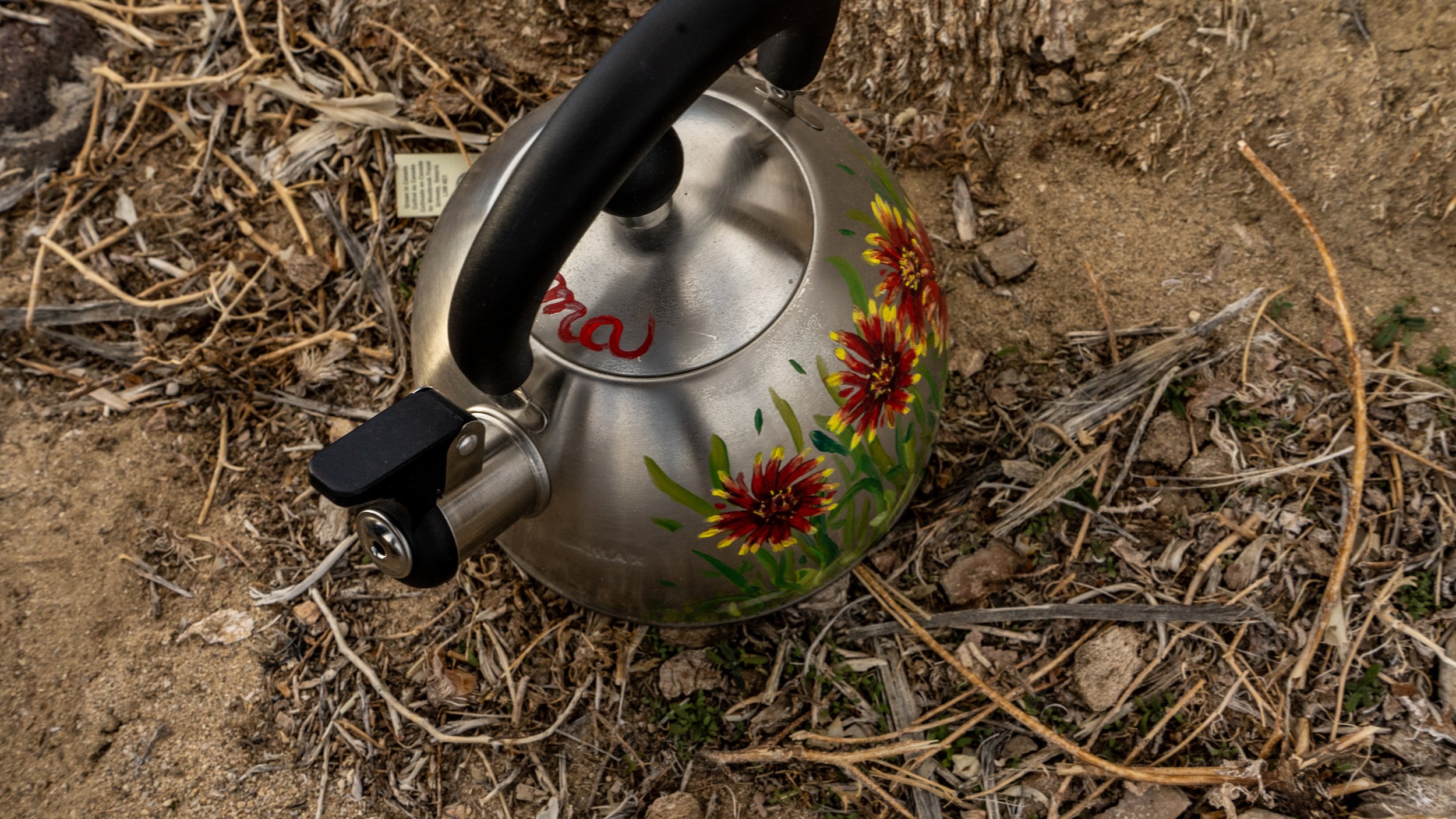
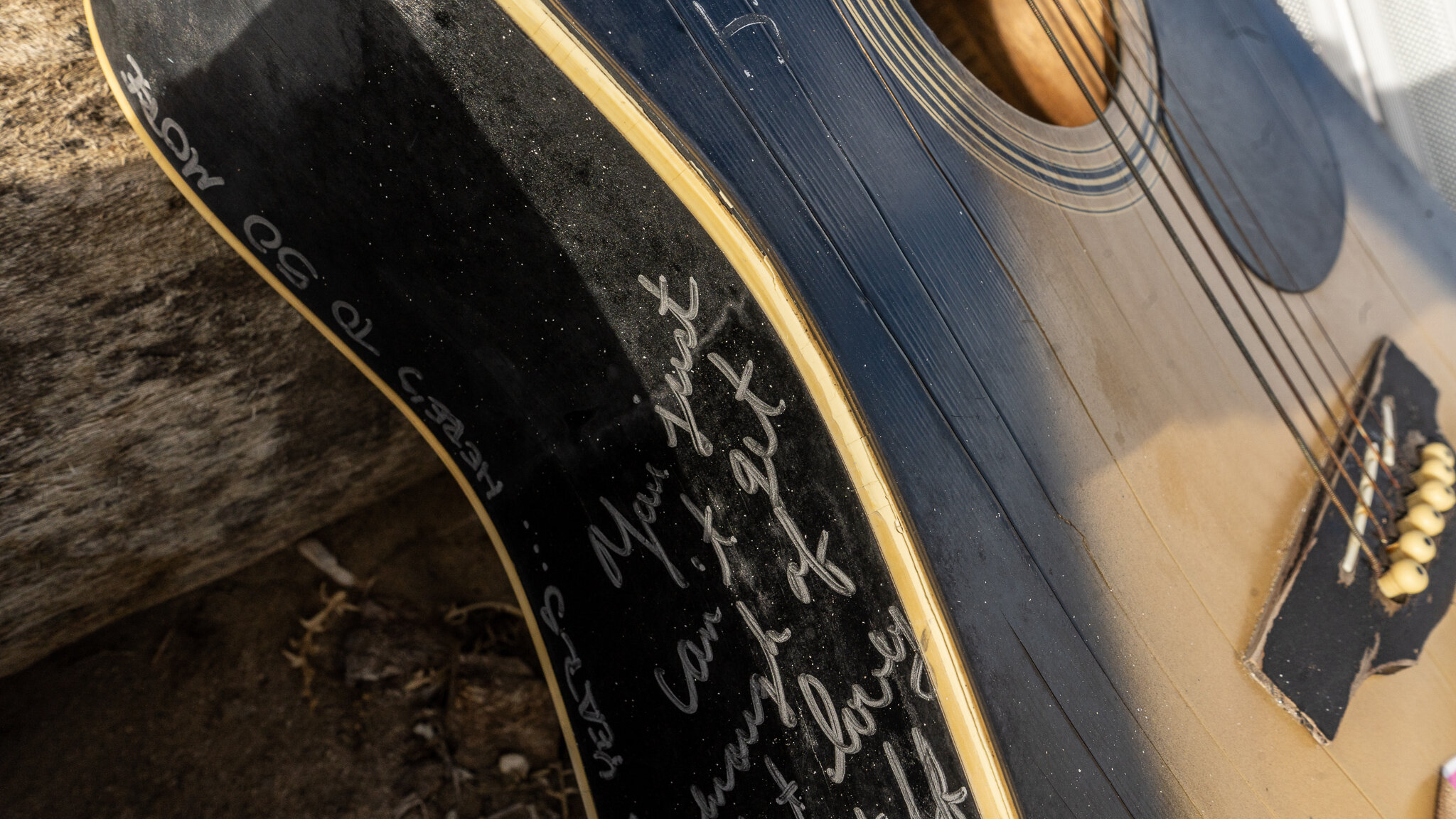
The quarter-mile trek across uneven desert terrain is impossible for many. Through VR and AR, anyone — anywhere in the world — can stand beside the tree, open the suitcases, strum the guitars left behind by pilgrims.

03

Protect

Every physical visit accelerates the tree's deterioration. Our digital experience gives fans a way to connect deeply with this hallowed ground — without endangering what little of it remains.

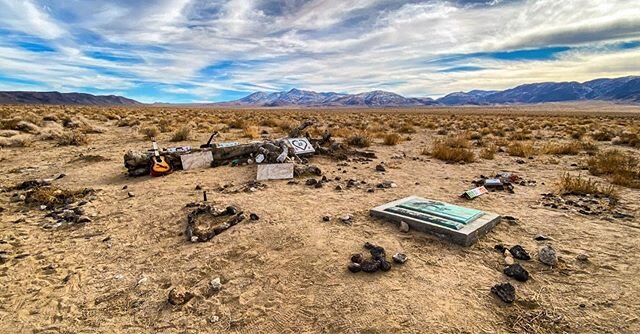
The Joshua Tree in the Mojave Desert

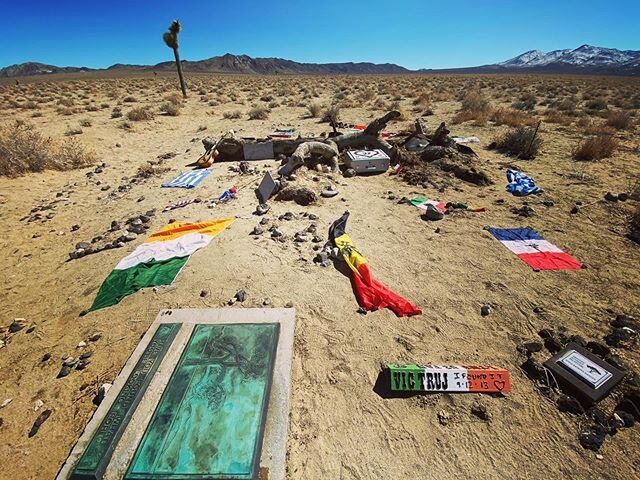
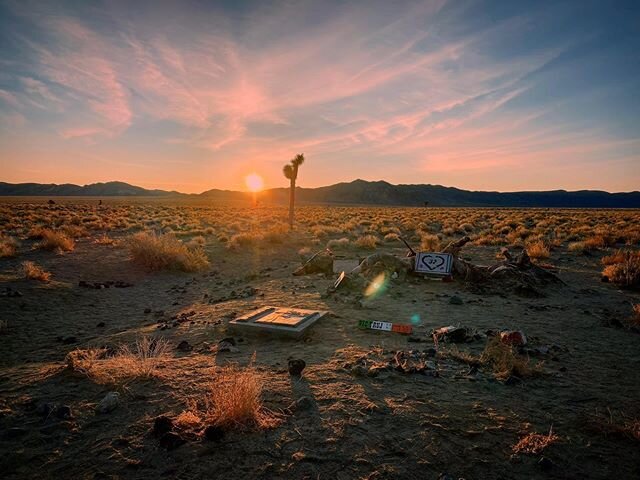
The Joshua Tree site, Mojave Desert — photographed January 2020

The Joshua Tree site

Everyone deserves to find what they're looking for.

One of the primary inspirations for this project is Dave — a close friend who lives with cerebral palsy. For Dave, the quarter-mile walk across rocky, uneven desert terrain is a gargantuan undertaking. The remote location, with no cell service, no paved access, and no facilities, makes it inaccessible to many of the fans who feel its pull most deeply.

Virtual Reality changes that. Built in Unreal Engine at true real-world scale, the VR experience allows Dave — and anyone who cannot make the journey — to stand in that patch of Mojave desert, to look up at the same sky, to open the suitcases and read the notes left by strangers from across the world.

The tree belongs to everyone. Now, everyone can reach it.
Site caretaking

George G. has been coming for over a decade.

Four times a year, without fanfare or recognition, George G. makes the drive out to the Mojave. He picks up the trash. He repairs the damage. He does what he can to hold things together — one visit at a time, for more than ten years.

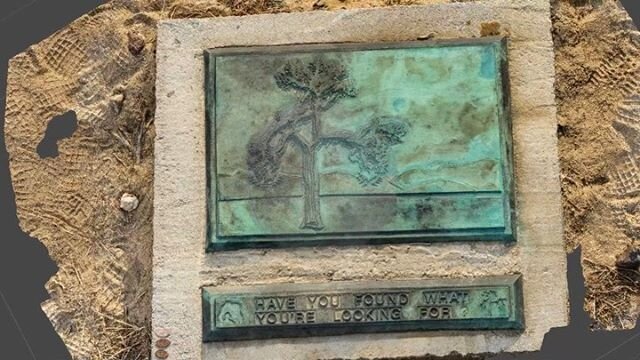
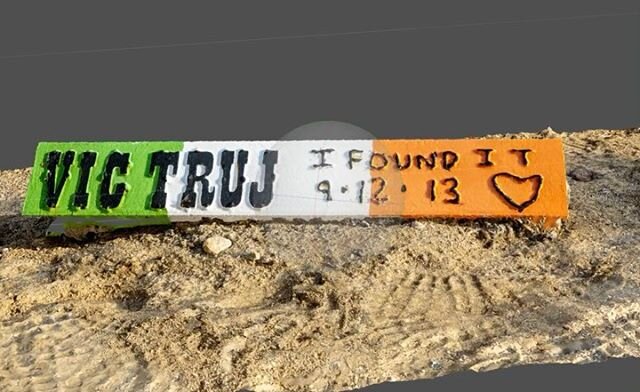
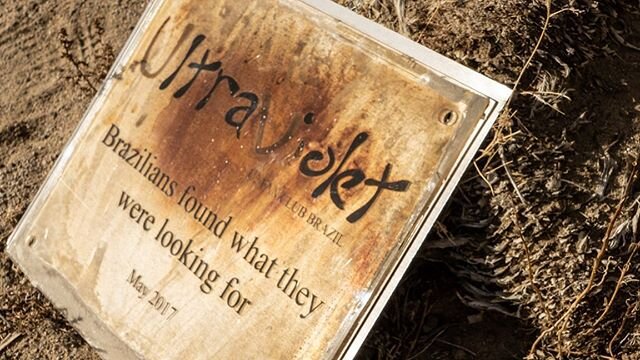
George installed a steel plaque at the site commemorating his friend Vic. He placed one of the memorial plaques that has become a landmark in its own right. He is the reason the site looks as good as it does today.

This project is a digital extension of what George has done physically — a commitment to the site that doesn't depend on being there.

Watch Full Playlist
02 A Future

From desert floor to digital permanence.

While the songs on The Joshua Tree have been recorded for preservation, sadly the album's namesake lies dead on the desert floor of the Mojave. Estimations speculate the tree fell around the year 2000, and in the time since, fans from all over the world have made the pilgrimage to experience this hallowed ground.

The goal of this project is to digitally preserve this piece of musical history through 3D recreation. In January 2020, Edward Platero visited the site and took 3,937 photographs of the tree and its surroundings — capturing every inch in its current state using photogrammetry to construct a perfect 3D model recreation.

Using that model, the project is developing a virtual reality experience so fans across the world who will never have the chance to visit the remote physical location can take a closer look at the tree — and experience how hundreds of U2 fans have honoured this desert shrine.

Explore the Experience

From a 20-minute photo session
to a race against time.

1986
Anton Corbijn photographs U2 with a lone Joshua tree near Darwin, CA
1987
The Joshua Tree released — becomes one of the best-selling albums of all time
2000
The tree falls. Fans begin making pilgrimages to the site
2014
Album inducted into the US National Recording Registry
2015
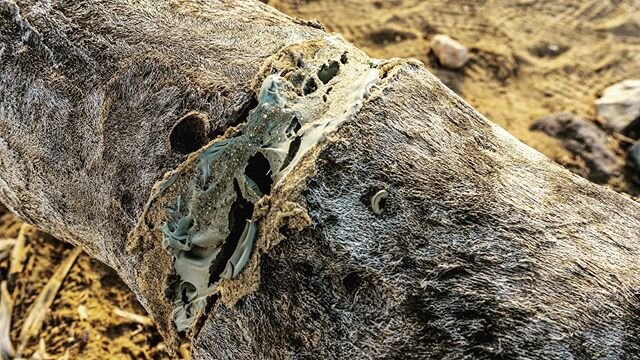
Vandal uses a hacksaw to remove a section of the tree
2020
First 3D scan completed. theJoshuaTree.earth launches
2021
Crest sawed off. Large crater carved into the trunk
Now
Four scans complete. VR & AR in development. Time is running out
03 A Decade of Visits

10 Years of visits to the tree.

George G has visited the Joshua Tree every year for over a decade, documenting the site's changes, the artifacts left behind, and the stories of fellow pilgrims. His video series chronicles the tree's slow transformation and the enduring devotion of those who make the journey.

Watch on YouTube

Have you found what
you're looking for?

If you have visited The Joshua Tree, we would love to hear your story.

Share Your Story